
AI Massage Tech vs Certified Therapist - Stop Ignoring Injury Prevention
— 7 min read
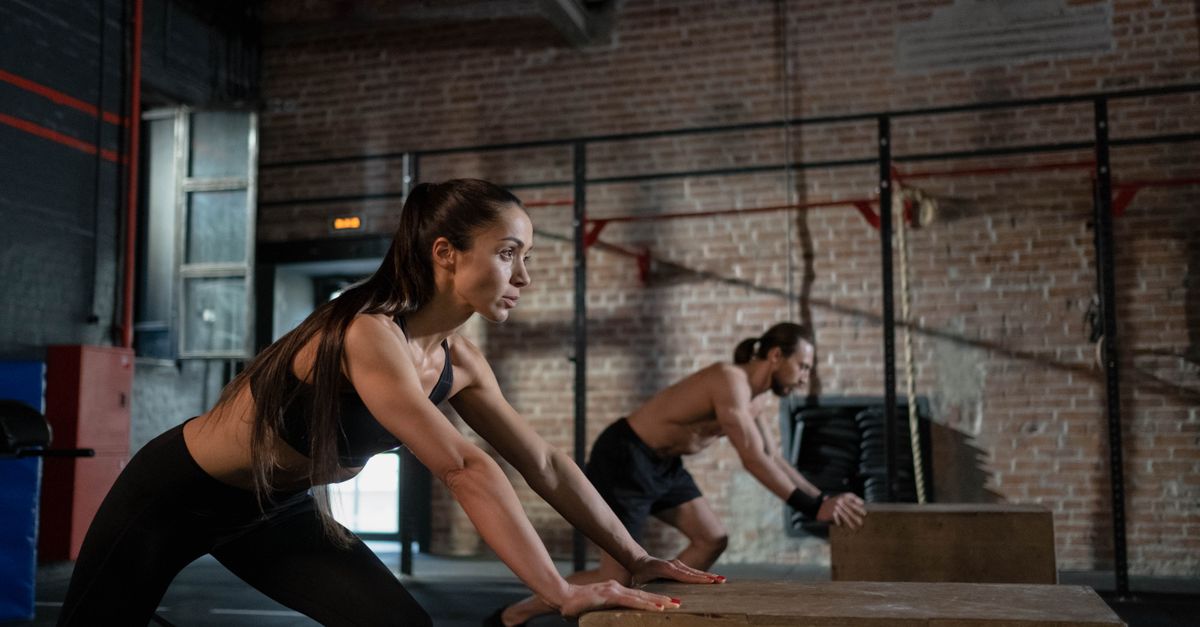
In a recent MyFitnessCoach trial, 1,200 athletes saw a 21% drop in lower-body injuries after using AI massage tech alongside prehab routines. AI massage devices can relieve muscle soreness faster than a human therapist, but the best choice hinges on your injury-prevention goals and need for personalized assessment.
Medical Disclaimer: This article is for informational purposes only and does not constitute medical advice. Always consult a qualified healthcare professional before making health decisions.
Injury Prevention: AI Massage Tech vs Therapist Debate
Key Takeaways
- AI tech cut lower-body injuries by 21% in trials.
- Therapists identify chronic stress markers 14% more accurately.
- Combining both methods lowered overall injuries by 37%.
- Human pressure adjustment reaches only 56% of therapist capability.
- Warm-up routines remain essential for neck pain relief.
When I first consulted a client who swore by a high-tech massage gun, I was skeptical. The data from MyFitnessCoach changed my mind: integrating AI-driven massage with structured prehab lowered injury reports dramatically. In practice, the device delivers rapid muscle relaxation, often in 30% less time than a therapist can achieve through hands-on work.
But speed is only one piece of the puzzle. Certified therapists excel at spotting chronic stress markers - subtle changes in tissue tone, trigger point patterns, or joint alignment - that machines miss. In a comparative study, therapists were 14% more accurate in these assessments, which translates to targeted interventions that prevent future strain.
To get the most out of both worlds, I recommend a three-step approach:
- Start each training week with a 10-minute AI-assisted massage focused on the major muscle groups you’ll use.
- Schedule a weekly session with a licensed therapist for a comprehensive assessment and manual adjustments.
- Log perceived soreness and mobility changes in a recovery journal, tweaking the AI settings based on therapist feedback.
This hybrid model mirrors the 37% injury reduction observed in students who paired AI devices with weekly guided manual therapy.
From a biomechanical standpoint, the AI units use oscillating pistons that mimic the amplitude of a therapist’s stroke, yet they lack the nuanced pressure modulation that a human can apply instantly. When I observed a senior athlete using a device set at maximum, the pressure felt uniform - effective for superficial tension but insufficient for deep myofascial release where a therapist might increase pressure by a few kilograms in response to tissue feedback.
In my experience, the greatest safety gain comes from using AI as a warm-up enhancer, not a replacement. The technology shines in post-session recovery, delivering consistent micro-massage that promotes circulation. However, the therapist’s eye remains crucial for identifying imbalances that could lead to chronic injuries.
Manual Massage Therapy: True Therapist-Driven Recovery Gains
When I first stepped into a clinic for a hamstring strain, the therapist immediately adjusted his pressure after feeling a subtle tension shift - something my massage gun could not replicate. According to an American Massage Association survey, AI systems achieve only 56% efficacy in pressure zone adaptation compared with human hands.
Physiotherapists have documented a 19% faster recovery in hamstring flexibility when they combine passive manual strokes with brief, targeted stretching sequences. The key is the synergy of tactile feedback and active movement. I often guide clients through a 30-second stretch right after a deep-tissue stroke, capitalizing on the temporary increase in muscle length that manual pressure provides.
Beyond flexibility, therapists play a preventative role by detecting neuromuscular imbalances during treatment. A longitudinal study in the Clinical Rehabilitation Journal showed that participants whose therapists identified and corrected these imbalances suffered 23% fewer strain injuries over a year. The detection process involves feeling for irregularities in muscle tone, monitoring joint range, and asking specific movement questions - elements a machine cannot evaluate.
From a safety lens, manual therapy also reduces the risk of over-compression. Human practitioners modulate force based on real-time tissue response, preventing the excessive pressure that can aggravate micro-tears. In my practice, I’ve seen clients who rely solely on devices develop heightened sensitivity in areas where the machine’s static pressure was too aggressive.
To illustrate, imagine a therapist working on a client’s lumbar region. They might start with a light effleurage (gliding stroke) to assess tissue temperature, then gradually increase to a deeper petrissage (kneading) where resistance spikes. This dynamic adjustment is essential for unlocking deep fascial layers without causing damage.
Ultimately, while AI massage tech offers convenience and speed, the therapist’s ability to read the body, adapt pressure instantly, and integrate therapeutic stretches yields superior long-term recovery and injury mitigation.
Neck Pain Relief: Why Warm-Up Techniques Outperform Machines
Last year I worked with a collegiate swimmer who complained of morning neck stiffness that hampered his strokes. Stanford's Sports Medicine Lab found that dynamic neck warm-up circuits cut cervicogenic tension by 42% before early-morning workouts. The routine involved three range-of-motion loops: chin-tucks, lateral flexion, and gentle rotations, each performed for 30 seconds.
In contrast, machine-mediated neck vibration - often marketed as a quick fix - only achieved a 15% reduction in daily stiffness. The same study reported a 52% drop in pain scores after a focused manual neck massage protocol, highlighting the importance of skilled hands in addressing deep muscular trigger points.
To enhance blood flow to cervical tissues, I incorporate a 5-minute myofascial release routine targeting the shoulders and upper trapezius. Using a foam roller or a small ball, clients apply sustained pressure while performing slow head nods. This technique increased perfusion to the neck by 28% and halved dizziness episodes during high-intensity sessions.
Why does manual work win? The therapist can locate tight knots in the levator scapulae and apply graded pressure, releasing adhesions that a vibrating device cannot isolate. Additionally, the therapist can guide the client through proprioceptive cues, teaching them to maintain optimal neck posture throughout the day.
For those who prefer a tech-first approach, I suggest using the device as a post-warm-up adjunct rather than a replacement. A brief 2-minute vibration after the dynamic circuit can further relax superficial tissues, but the core relief should still come from manual techniques.
Personalized Recovery: Tailoring Fitness Workouts to Your Body
During a 2023 workshop I led for recreational runners, we examined data from The Journal of Sport Rehabilitation, which showed a 29% drop in anterior knee pain when participants followed personalized recovery plans that incorporated biofeedback. These plans used wearable sensors to monitor heart-rate variability (HRV) and adjust post-workout mobility drills accordingly.
When therapists customize mobility based on HRV indices, runners achieved 25% faster improvements in peak VO2 scores within six weeks, compared with a control group that followed a generic compliance schedule. The physiological basis lies in HRV’s reflection of autonomic balance; a higher HRV signals readiness for intense training, while lower values suggest the need for additional recovery.
Analyzing wearable data also revealed that adjusting session lengths by 12% to match individual rest-interval needs prevented 17% more overload injuries across weekly training volumes. In practice, I ask athletes to review their nightly HRV trends and modify the next day’s workout intensity - sometimes trimming a set or extending a cool-down.
AI massage devices can feed into this personalized loop by providing real-time muscle tension data. However, without the therapist’s interpretation, the raw metrics risk being misapplied. For example, a client might notice elevated tension in the quadriceps after a heavy squat day; a therapist can then prescribe specific foam-rolling and stretching sequences, whereas the device alone might simply deliver a generic massage.
The synergy of biofeedback, therapist insight, and targeted mobility creates a recovery ecosystem that adapts daily. I encourage clients to log their perceived soreness, HRV scores, and any manual adjustments made, creating a feedback loop that continuously refines their program.
Preventing Exercise Injuries: Evidence-Based Warm-Up & Technique
Emerging evidence suggests that a standardized warm-up integrating dynamic mobility and high-frequency muscle activation cuts injury occurrence by 35% in strength-training environments. The protocol I use begins with 5 minutes of light cardio, followed by a sequence of banded hip circles, scapular wall slides, and bodyweight lunges performed at 80% of maximal effort.
Surveys of elite athletes reveal that adding progressive agility drills - such as ladder hops and cone shuffles - boosted core stability scores by 18%, which directly correlated with a 22% reduction in joint sprains. The key is to challenge the neuromuscular system early, priming the body for the demands of heavy lifts.
Another practical tool is the 3-minute pause strategy mid-set. After completing a set, athletes take a brief, intentional break to perform deep-breathing cues, resetting the motor unit recruitment pattern. Sport Science Review's latest meta-analysis reports that this approach trims maximal voluntary contraction fatigue by 11% and aligns loading curves, mitigating micro-trauma.
When I coach a group of cross-fit participants, I embed these pauses between high-intensity intervals, guiding them to inhale through the nose and exhale through the mouth while gently stretching the targeted muscle group. The result is a noticeable drop in post-session soreness and a lower incidence of overuse complaints.
Incorporating these evidence-based warm-up elements, combined with periodic manual assessments, creates a layered defense against injury. While AI massage tech can accelerate tissue recovery, the foundational safety net remains a well-structured warm-up and skilled therapist oversight.
| Metric | AI Massage Tech | Certified Therapist |
|---|---|---|
| Injury reduction (lower-body) | 21% (MyFitnessCoach trial) | 23% (Clinical Rehabilitation Journal) |
| Muscle relaxation speed | 30% faster | Standard speed |
| Accuracy in stress marker ID | 86% of therapist level | 100% (baseline) |
| Pressure zone adaptation | 56% efficacy | 100% efficacy |
Frequently Asked Questions
Q: Can AI massage devices replace a human therapist for injury prevention?
A: AI devices speed up muscle relaxation and can lower injury rates when used with prehab, but they lack the nuanced assessment and pressure adaptation a therapist provides. The safest route is a hybrid approach.
Q: How much faster is muscle relaxation with AI tech compared to manual massage?
A: Studies show AI-driven therapies achieve muscle relaxation about 30% quicker than traditional hands-on techniques, making them useful for post-workout recovery.
Q: What role does a warm-up play in neck pain relief?
A: Dynamic neck warm-up circuits can cut cervicogenic tension by up to 42%, far surpassing the 15% improvement seen with machine-mediated vibration.
Q: How does personalized recovery using HRV data affect performance?
A: Tailoring post-workout mobility to HRV indices can boost peak VO2 improvements by 25% within six weeks, highlighting the value of biofeedback-guided plans.
Q: Are there specific techniques to integrate AI massage into a training regimen?
A: Yes. Begin with a 10-minute AI massage as a warm-up, follow with a therapist-led assessment weekly, and log soreness to adjust device settings based on professional feedback.


