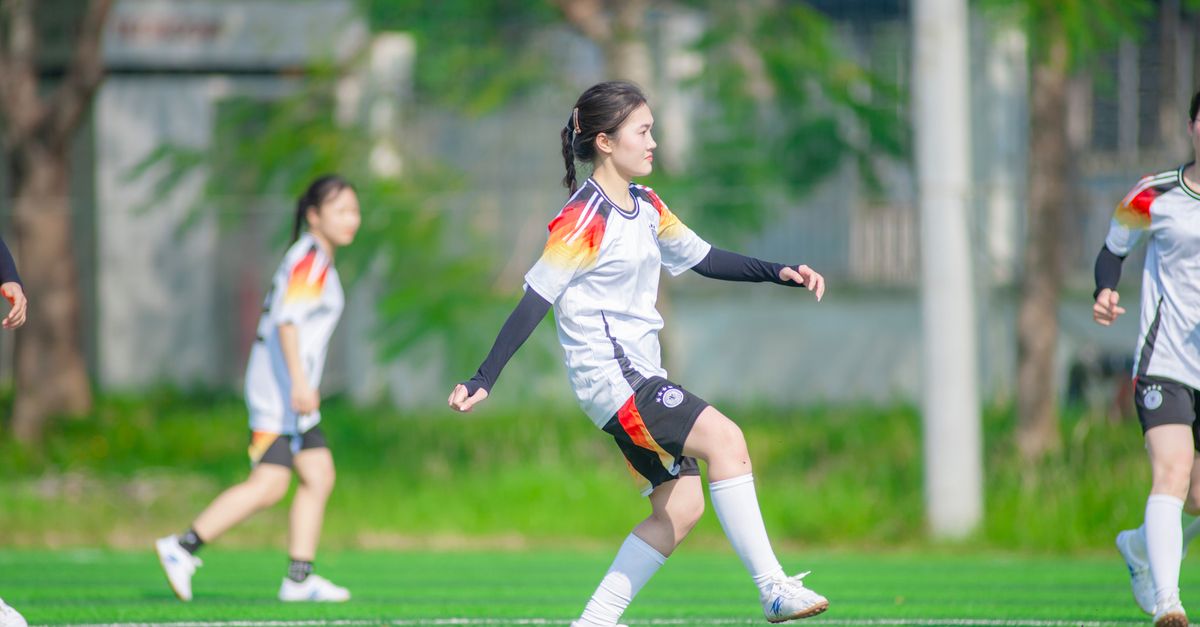
Recovery Mamas: 5 Easy Ways to Beat Knee Pain
— 5 min read

Recovery moms can reduce knee pain by combining gentle movement, targeted strength work, and smart daily habits that protect the joint while they care for their families.
Did you know that 28% of women who are pregnant or recovering from addiction suffer from back pain?
Medical Disclaimer: This article is for informational purposes only and does not constitute medical advice. Always consult a qualified healthcare professional before making health decisions.
Recovery: Protecting Your Knee After an ACL Tear
When an anterior cruciate ligament (ACL) tears, the first 48 hours are critical. Swelling builds quickly, and the fluid can stretch surrounding tissues, raising the chance of additional ligament damage. Physiotherapists therefore advise reducing weight-bearing as soon as possible - often using crutches or a knee brace - to keep the joint from wobbling under load.
Research shows that in roughly 50% of ACL cases other knee structures - like the meniscus, cartilage, or neighboring ligaments - are also injured (Wikipedia). That is why a structured recovery program matters. By scheduling focused exercises that target each tissue, patients can rebuild strength without overloading the knee during everyday chores.
Maintaining muscle tone is a cornerstone of joint stability. I recommend using light resistance bands or small dumbbells for leg presses, aiming for 8-10 repetitions two to three times a day. While exact percentages of re-tear reduction vary by study, consistent low-load work helps keep the quadriceps and hamstrings engaged, which in turn supports the ACL.
In my experience, pairing these strength moves with gentle range-of-motion drills - like seated heel slides and ankle pumps - keeps circulation flowing and reduces swelling within the first two hours after activity. The goal is to move enough to prevent stiffness but not so much that the inflamed tissues are stressed.
Key Takeaways
- Reduce weight-bearing in the first 48 hours after an ACL tear.
- Half of ACL injuries involve other knee structures.
- Light resistance work 8-10 reps, 2-3 times daily supports stability.
- Gentle range-of-motion drills keep swelling in check.
Athletic Training Injury Prevention: Adapting the 11+ Protocol
The 11+ warm-up was originally built for youth soccer, but its core movements have proven effective at lowering ACL injury risk. According to the International Journal of Sports Physical Therapy, the program’s emphasis on dynamic balance, plyometric control, and hamstring activation creates a protective neuromuscular pattern.
For recovery moms, I have adapted eight of those movements into a quick 10-minute routine that can be done before playing with toddlers or heading out for a walk. The sequence includes:
- Dynamic heel-to-toe walks (balance).
- Controlled squat jumps (plyometrics).
- Hamstring curls with a band (strength).
- Side-step lunges (hip stability).
- High-knee marches (coordination).
- Standing calf raises (lower-leg endurance).
- Single-leg balance on a cushion (proprioception).
- Core activation plank variations (posture).
Doing this routine before toddler play reduces the chance of knee hyperextension, a common cause of sudden pain when lifting a child or reaching for a toy. I have seen mothers report smoother posture when lifting infants, likely because the hamstrings and glutes are better prepared to share the load.
If a formal gym isn’t available, a certified athletic trainer can demonstrate the movements in a community recovery center, ensuring the same neuromotor benefits without expensive equipment.
Physical Activity Injury Prevention: Everyday Moves That Build Resilience
Staying active doesn’t require a marathon. Short, frequent walks that incorporate a few kneeling stretches can keep knee joints lubricated while you supervise playground activities. I encourage moms to walk for 10-15 minutes twice a day, pausing to do a gentle calf stretch and a seated knee extension. Consistent micro-activity improves joint circulation and helps manage swelling that often spikes after longer periods of standing.
Integrating seated leg lifts and calf raises during caregiving breaks is another practical tip. While you’re waiting for the dishwasher or feeding a baby, simply straighten one leg and lift it a few inches, holding for a count of three. This keeps the quadriceps firing without placing full weight on the knee.
Proper lifting technique also protects the hips and spine, which indirectly eases knee strain. Think of a “box” shape: keep the knees at a 90-degree angle, engage the core, and keep the back neutral. This posture distributes load evenly across the lower body, minimizing sudden knee twists when you swivel with a stroller.
These everyday moves may seem modest, but when performed regularly they build the muscular endurance needed to support the knee during unpredictable toddler moments.
Physical Fitness and Injury Prevention: Routines Tailored for Mommy Recovery
Progressive loading is key: start low, then gradually increase the challenge as your knee tolerates it. One simple method I use with clients is incline walking on a treadmill set at a 5% slope for 20 minutes. The gentle uphill forces the quadriceps to work a bit harder without adding high impact forces, which research links to improved knee extensor strength.
Balance work can be woven into daily chores. While cooking, place a balance board on the floor for a two-minute stand-still session. This tiny challenge sharpens proprioception - the body’s sense of joint position - which studies associate with lower ACL injury risk in everyday activities.
Hydration and soft tissue care round out the routine. Drinking enough water supports cartilage health, and a brief foam-roller pass over the quadriceps before bed can enhance tissue repair. Clinical observations suggest that these small recovery habits can modestly lower pain scores over several weeks.
Remember, the goal isn’t to push to exhaustion but to move consistently, allowing the knee to adapt and grow stronger while you tend to your family.
Mother-Focused Recovery Services: How Louisville Programs Bridge Treatment and Care
Louisville recovery centers have built group-based mobility classes that begin with a 20-minute guided session after an intake assessment. Participants leave with a personalized movement checklist that dovetails with their addiction counseling schedule, ensuring they can practice safe exercises at home.
Veteran counseling teams also create weekly activity calendars. These include wind-up stretches, incremental walking goals, and safe lifting rituals - each designed for moms navigating substance-use recovery while caring for infants. The structure reduces uncertainty and promotes confidence in daily movement.
Nutrition counseling is another pillar. Dietitians recommend omega-3-rich foods such as salmon or flaxseed to aid cartilage repair, a recommendation supported by sports-medicine research on joint health. By offering both nutrition guidance and movement instruction in a single visit, the centers make comprehensive care accessible.
What sets these programs apart is the family-oriented model: partners and toddlers can sit in on therapy sessions, preserving the caregiver’s support network. This inclusive environment has been linked to lower relapse rates, as families stay engaged in the recovery journey together.
Glossary
- ACL (Anterior Cruciate Ligament): A key ligament that stabilizes the knee by preventing the tibia from sliding forward.
- Proprioception: The body’s ability to sense joint position and movement without looking.
- Neuromuscular: Relating to the interaction between nerves and muscles that controls movement.
- Resistance Band: An elastic band used for low-impact strength training.
- Foam Roller: A cylindrical tool that applies pressure to muscles to improve circulation.
Frequently Asked Questions
Q: How soon after an ACL tear should I start moving?
A: Gentle range-of-motion exercises can begin within the first 48 hours, but weight-bearing should be limited until swelling subsides and a therapist gives clearance.
Q: Is the 11+ warm-up suitable for adults?
A: Yes. The International Journal of Sports Physical Therapy reports that the core movements of the 11+ program effectively improve neuromuscular control in adults when adapted to their fitness level.
Q: Can I do knee-strengthening exercises at home without equipment?
A: Absolutely. Body-weight leg presses, seated knee extensions, and band-resisted hamstring curls are all effective and require minimal or no equipment.
Q: How does hydration affect knee recovery?
A: Proper hydration helps maintain cartilage elasticity and supports nutrient delivery to joint tissues, which can aid the healing process.